The Impact of Social Media on Public Interest Journalism
In an age where information flows freely and rapidly through social media platforms, understanding the implications for public interest journalism is essential. This article explores how social media shapes the landscape of journalism, especially in Romania, and why media literacy is more crucial than ever.
Understanding the Influence of Social Media
Social media has transformed the way news is disseminated and consumed. According to research from the Pew Research Center, around 53% of adults in Romania rely on social media as their primary source for news updates. This shift presents both opportunities and challenges for public interest media.
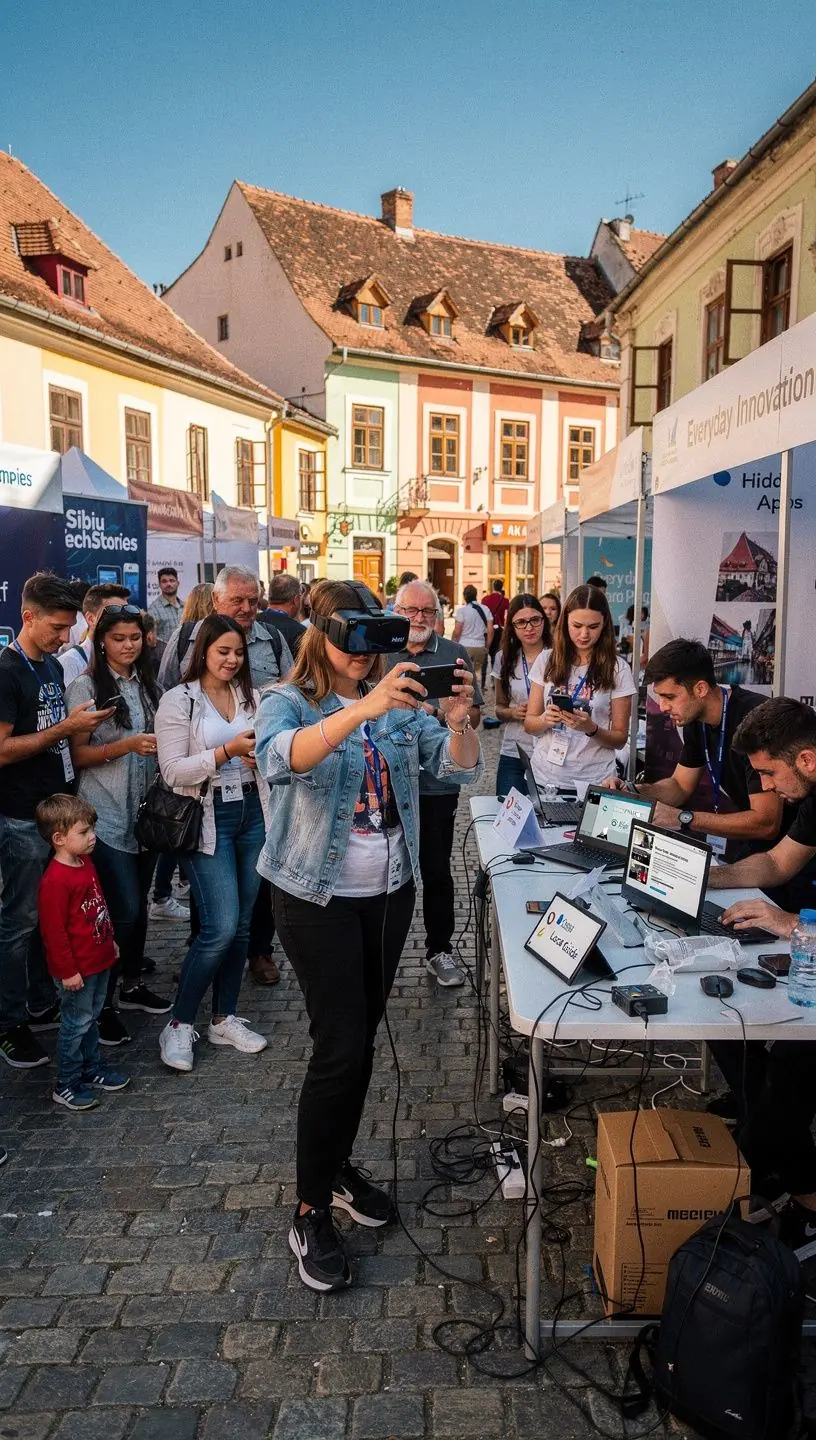
"The rise of social media as a news source requires journalists to adapt their strategies and engage with their audiences more directly."
Challenges Facing Public Interest Journalism
While social media offers a platform for wider reach, it also comes with several challenges that journalists must navigate:
- Information Overload: The sheer volume of content can overwhelm consumers, often leading to difficulty discerning credible sources.
- Fake News: Misinformation spreads rapidly on social platforms, impacting public trust in legitimate journalism.
- Engagement Pressure: Journalists must often prioritize engagement metrics over in-depth reporting, which can dilute the quality of public interest journalism.
Opportunities for Public Interest Journalism
Despite the challenges, social media also offers significant opportunities for public interest journalism:
- Wider Reach: Journalists can reach diverse audiences, potentially increasing engagement with public interest topics.
- Immediate Feedback: Social media allows for real-time interaction, enabling journalists to gauge audience reactions and adjust their content accordingly.
- Collaboration: Journalists can collaborate with other media outlets and organizations to amplify their message and share resources.
The Importance of Media Literacy
To navigate this evolving landscape, media literacy becomes a vital skill for the public. Experts recommend fostering an understanding of how to critically evaluate sources of information. This includes:
- Recognizing bias in reporting and identifying reputable sources.
- Understanding the impact of algorithms on news visibility.
- Encouraging discussions about media consumption habits within communities.
Conclusion
The relationship between social media and public interest journalism in Romania is complex and multifaceted. While challenges like misinformation and engagement pressures exist, there are also opportunities for growth and innovation. By prioritizing media literacy and engaging in continuous education about technology and media practices, both journalists and the public can contribute to a healthier media landscape. As we embrace these changes, a commitment to quality journalism remains essential for serving the public interest.